In defense of the new PSU logo
As both a Penn State grad and a marketer, I watch the recent controversy over the new PSU logo like an athlete-turned-sportscaster announcing a game with his former team. You need to be objective, but there are emotional pulls that are neither objective or even rational.
For those of you not aware, earlier this year Penn State revealed the new school logo, replacing the current design which had been in place since the early 80s. Below is a comparison of the old (left) and the new (right).
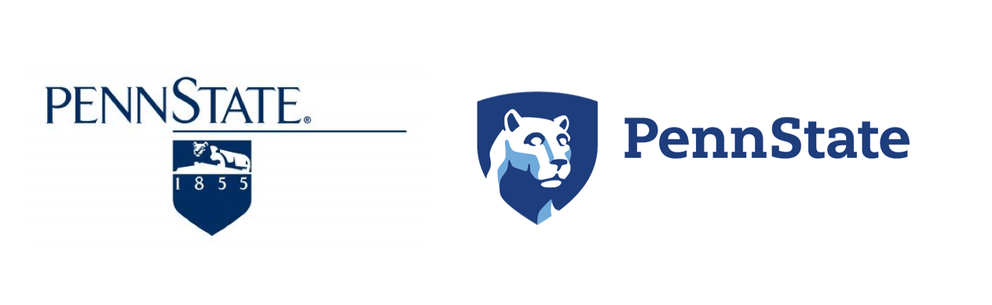 The reaction from alumni has been swift and sharp, especially on social media. A couple representative posts:
” It’s bloody awful. If they were going for an app icon, they got it. It’s generic and fails to evoke any sense of heritage or tradition. The blue is effete and the lion looks like the Pink Panther.”
“This logo is embarrassing and pathetic. Please return to the old logo and please request a refund for the design of this amateurish logo.”
“Saw the new logo going up a sign at a new Penn State Health facility this week. New logo doesn’t look any more professional in a life size setting than it did when first unveiled on the internet. It will probably grow on us; but then again so would mold.”
“Penn State paid money for this logo? Yikes.”
Wow.
The response has been uglier than when the university unveiled the hapless ‘Penn State Lives Here’ tagline. Although I agree that PSLH is pretty much useless, I feel good about the new logo for a couple of reasons:
- It’s more accessible. The lighter color, the softer font, and the lion shrine are all more approachable than the stiff and stoic logo of the past. In an era of rising tuition and limited opportunities after graduation, prospective students are looking even more closely for a school where they feel they can fit in and succeed. Having a key visual that is more welcoming makes a great first impression.
- It better fits with Penn State’s ‘hands on’ equity as a university. Penn State defines it’s graduates as ‘inspired doers’. In my own experience, my Penn State hires tended to acclimate to the work environment faster, get involved more quickly, and form some of the strongest relationships on the job. Penn Staters aren’t about image, they’re about substance. A simple ‘everyman’ type logo fits well with this reality.
- It better reflects the informal lifestyle of today’s prospective students. When was the last time you saw Gen Z’ers in anything besides shorts and t-shirts at an event? Many don’t even own a tie, let alone a suit. Same thing with their communication – abbreviations, simplified spellings, and text-driven phrasing ignores most of the formal rules taught to them in English class. This generation doesn’t know formality, and this logo doesn’t either.
- It works harder to communicate the global brand in communication, freeing up the majority of creative space for target-specific messaging. In the end, the question is not one about feeling as much as it is effectiveness, and this is where I think the new logo shines. An example to make my point: compare two pages on the Penn State website, one that has made the conversion and one that has not:


The Law School site still uses the old logo. If the objective of the university is to strengthen it’s global brand across its programs (and it is), the global branding here gets lost on the page. Is this Penn State? You have to work to figure it out, including using other cues on the page besides the global brand mark, cues which takes up valuable viewable screen space for college-specific communication. On the other hand, the Engineering page with the new logo makes this much clearer. The logo uses the same real estate as on the Law page, but the Penn State brand moves waaaaay up in priority of communication.
The new logo is a significant change, especially for those who have been around for all of the life of the old one. Could I tweak it? Yes, but the fundamentals are fine. The critic is right, we’ll get used to it. But this is a far cry from mold.
One other point – the other ‘new’ logo that came out in the ’80s was the athletic mark. The reaction here was swift and negative as well – loss of tradition, too hard to grasp, looks more like the Nittany Chipmunk. And it’s legacy? It has consistently ranked in the top five of ‘best college logos’ across a wide range of surveys and media outlets.
Not all change is bad.
 Frankly Speaking